Professional
Solar Panel Cleaning
in Austin, TX
Recover lost energy output with purified-water, non-abrasive cleaning — warranty-safe, no harsh chemicals. $2M insured, free quote in 60 seconds.
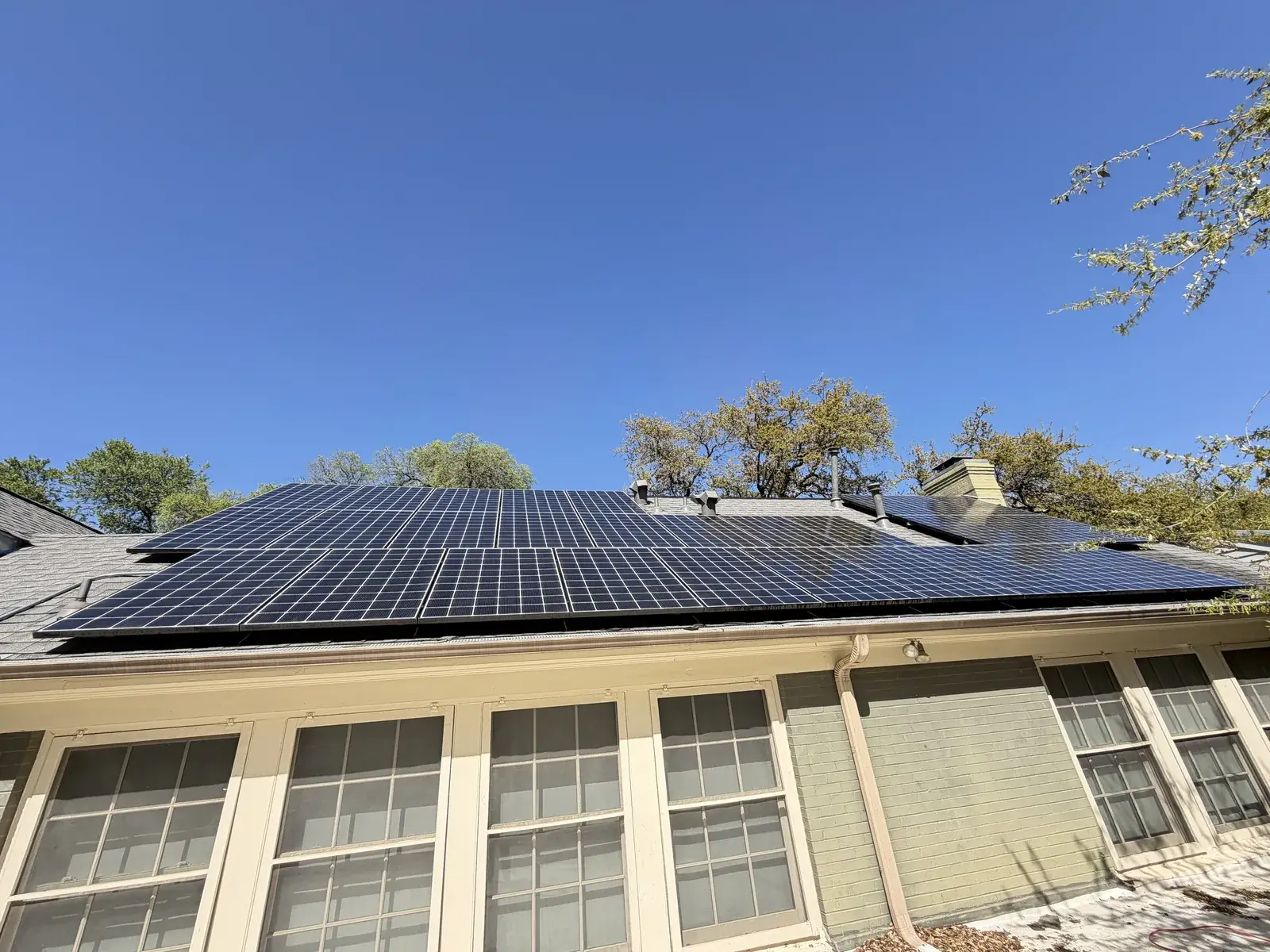
Before & After
Real results from real Austin, TX homes. See the difference professional exterior cleaning makes.


Example 1 of 8
Window Cleaning
Hard-water stain removal · Austin, TX
Drag the handle to compare
What do Austin homeowners say about Casa Care?
Customers rate Casa Care 5.0 stars across 210 Google reviews. Read them on Google.
$2M liability coverage
Plus full commercial auto and workers’ compensation insurance. Certificate of Insurance on request.
Purified water only
Deionized water and soft brushes on every panel, with no harsh chemicals or detergents on the glass.
Low pressure, no abrasives
Nothing that can scratch the anti-reflective coating or force water past the seals.
#1 Solar Panel Cleaning
for Austin, TX Homes

You paid for every watt those panels can make — but a season of Austin dust, cedar and live-oak pollen, and baked-on bird droppings quietly shades the cells and drags your production down. It happens so gradually you never notice, until the electric bill creeps back up or the monitoring app shows your array making less than it should.
Rain doesn’t fix it. A passing shower just leaves hard-water spots that dry into a mineral haze, and blasting the roof with a garden hose can drive grit across the glass and streak it with the same dissolved minerals you were trying to rinse off. Dirty panels aren’t only a cosmetic problem — soiling is measurable lost energy, and stubborn shadows from droppings can create hot spots that stress individual cells.
Getting that output back is what our solar visits are for. Austin homeowners rate Casa Care 5.0 stars across 210 Google reviews, and we’ve looked after 1,500+ properties. We clean rooftop and ground-mount arrays, tile- and shingle-mounted systems, and patio, pergola, and carport panels using purified, deionized water and soft, non-abrasive tools — no pressure, no harsh chemicals, nothing that risks the coating or your warranty. The goal is simple: recover the output you already paid for. Handling the whole exterior in one trip? Add a roof cleaning or gutter cleaning and we’ll knock it out at once.
Why Austin Solar Panels Lose Output
Central Texas puts a specific kind of film on rooftop glass — and every layer of it costs you production. Here’s what we see shading panels on Austin homes.
Cedar & Oak Pollen Blocks Light
Central Texas has one of the longest pollen calendars in the country — mountain cedar in winter, live-oak in spring — and it settles as a fine yellow-green film right where your panels face the sky. Layered with everyday roof dust, that haze scatters sunlight before it reaches the cells, and light the panel can’t absorb is electricity it can’t make.
Bird Mess & Spotting Create Hot Spots
Panels are a favorite perch, and droppings don’t just dim the glass — they fully block the cells underneath, which can force hot spots that stress the panel over time. Austin’s hard, limestone-fed water compounds it: sprinkler drift and quick rains dry into calcium spotting that leaves a shading haze ordinary rinsing won’t clear.
Rain-Free Summers Bake Grime On
Our long, rain-free summers give dust, pollen, and droppings weeks to bake onto the glass under relentless UV. The longer that grime sits and hardens, the more light it blocks and the tougher it is to lift — which is exactly why waiting for rain to “wash them off” leaves output on the table all season.
Here’s the payoff: soiling is one of the few solar losses you can actually undo. Our purified-water, non-abrasive cleaning lifts the film the cells are hiding behind, and a routine once- or twice-a-year schedule keeps your array producing closer to what it was designed to make.
Doesn’t rain clean solar panels on its own?
Not in Austin. A light shower moves loose dust around and then dries into mineral spots, and summer can go weeks without rain at all. Pollen and droppings stick to the glass, so they need a soft brush and purified water to come off without leaving a haze behind.
Light rainMakes it worse
A short shower wets the dust into a paste, then evaporates and leaves a ring of minerals and grime along the bottom edge of each panel, right where the frame traps water.
Garden hoseHard water
Austin tap water is hard and limestone-fed. Rinsing with it leaves calcium spots that dry into the same shading haze you were trying to remove.
Pressure washerNever
High pressure can force water past seals and scratch the anti-reflective coating. It’s the one tool that should never touch the glass, which is why we work at low pressure only.
Purified water + soft brushWhat works
Deionized water has the minerals stripped out, so it dries clear with nothing left to shade the cells. Paired with soft bristles, it lifts the film without scrubbing.
Bird droppings deserve a special mention. They don’t wash off in a storm, and because they block a cell completely, even a few can drag a panel down far more than a light layer of dust would. Pre-soaking them with purified water lets them lift away softly instead of being scraped.
If you want to rinse a ground-mount array yourself between visits, use a soft brush, avoid soap and hard tap water where you can, and do it when the glass is cool, early or late in the day. Leave roof-mounted panels to someone with fall protection.
What happens when you book solar panel cleaning?
Six steps with purified water, soft brushes and no pressure. We quote your array, inspect it before any water touches it, lift the debris and droppings, soft wash and rinse spot-free, then walk the results with you.
Quote by panel count 60 seconds online
Tell the quote tool how many panels you have and whether they’re on the roof or the ground, or text a couple of photos. We confirm the price and note anything special, like heavy droppings, a steep pitch or tight access.
Arrival & array check Before any water
An on-the-way text, safe setup, then a look over the array for cracked glass, loose clamps or shaded cells. We note the condition first so nothing is a surprise later.
Debris & droppings Soaked, not scraped
Leaves and nesting material come out of the panels and gaps. Droppings and baked-on grime are pre-soaked with purified water until they lift off on their own.
Soft wash Deionized water
Soft bristles and deionized water take the pollen, dust and film off each panel, with no pressure, abrasives or chemicals near the coating or the seals.
Spot-free rinse Dries clear
A final purified-water rinse dries without mineral spots. Frames and junction points get wiped, and we write up a before-and-after note for you.
Walkthrough & invoice No deposit
We go over the results with you, then text or email a digital invoice: card, ACH, cash or check. You pay the quoted price.
How much does solar panel cleaning cost in Austin?
Solar panel cleaning is quoted per array, and the quote takes about 60 seconds online. Five things move the price: how many panels you have, roof or ground mount, roof pitch and access, how dirty the glass is, and whether you’re on a maintenance plan. Use the checklist to see which way your array leans.
About 60 seconds online, no phone call needed. Every solar cleaning includes:
- Purified, deionized-water rinse
- Soft-bristle, non-abrasive wash
- Frames and clamps wiped down
Number of panelsBiggest factor
MountingSetup
Pitch & accessReach
SoilingCondition
Visit typePlan
What moves the price up or down
Number of panelsBiggest factor
The single biggest factor. We price by the size of the array, not by guesswork — a small 10-panel system and a whole-roof array are very different jobs, and more panels usually means more recovered output.
Roof- vs. ground-mountSetup
Ground-mount and low carport arrays are quickest and safest to reach. Roof-mounted systems take more setup and fall-protection, so they’re priced accordingly.
Roof pitch & accessReach
A gentle, easy-access roof cleans fast. Steep pitches, tile roofs, tight rooflines, or two-story reach need extra care and equipment, which factors into the quote.
Degree of soilingCondition
A light pollen dusting rinses off quickly. Heavy bird droppings, caked-on grime, and hard-water spotting take extra pre-soaking and gentle passes — but they’re also where you recover the most production.
Frequency planPlan
The first visit does the heavy lifting. On a twice-a-year or quarterly maintenance plan, each recurring cleaning is discounted 10–20% — and your panels never fall far from peak output.
Every array is different, so you get one firm number up front instead of a vague range. Start with the instant quote tool for a free custom quote in about 60 seconds, with no phone call needed.
How can I tell if my solar panels need cleaning?
Check your monitoring app: if production on clear, sunny days is drifting down compared with the same season last year, soiling is a likely cause. From the ground you may also see a dull film, white droppings or a line of grime along the bottom edge of each panel.
Compare like with likeMonitoring app
Output naturally swings with the seasons and the weather, so compare a sunny day this month with a sunny day in the same month last year rather than with last week.
Uneven panelsPer-panel data
If your system reports panel by panel, one or two units reading well below their neighbors often have droppings or debris on them. That’s also the pattern behind hot spots.
Visible filmFrom the ground
A yellow-green tint after cedar or oak pollen season, or a grey haze after nearby construction, means the glass is scattering light the cells can’t use.
Not a cleaning problemCall your installer
A sudden drop to zero, an inverter error or a panel that never recovers after cleaning points to an equipment issue. If we notice cracked glass or loose clamps while we work, we’ll point them out.
How much output dirty panels lose depends on how heavy the soiling is. A light dusting costs little, while heavy droppings and baked-on grime cost far more, so we won’t promise a specific number for your roof. What we can promise is clean, spot-free glass and a before-and-after note so you can compare.
What’s Included in Every Solar Cleaning
Your quote covers the full array. This is the list a technician works through on every home solar visit, and none of it is billed as an extra.
Standard on every Casa Care solar cleaning
- Panel faces rinsed spot-free with purified, deionized water
- Soft-bristle, non-abrasive wash — never scrubbed or scraped
- No harsh chemicals or detergents on the glass
- Frames, clamps, and junction points wiped down
- Visual debris check — leaves and nests cleared
- Bird-dropping and hard-water spot treatment
- Low-pressure, warranty-safe methods throughout
- Before-and-after output note so you see the difference
- Panels left dry, streak-free, and unshaded
Have a larger or specialty setup? Ground-mount arrays, carport and pergola panels, and multi-story roof systems are all handled the same gentle way — just mention it when you request your quote and we’ll build it into your custom price.
Meet the Team Behind Casa Care
Ethan Gibbs started Casa Care Window Cleaning in 2024 because he believed careful, honest trade work still wins loyal customers, and that the trades deserve real respect. Solar cleaning is a good example: the right method is the gentle one, done patiently. Ethan’s aim is to earn trust home by home and build careers, mentorship and community for the crew.
Respect for the Trade
Working around a rooftop array takes care and steady hands. Our technicians arrive on time and in uniform and treat your home, and each other, with respect.
Trust You Can See
Purified water, soft brushes and a satisfaction guarantee on every array. If something isn’t right, we come back and fix it, with no forms to fill out.
Opportunity for Austin
The team volunteers together, and the company invests in every technician’s growth. A local business should give back to the neighborhoods it serves.
— Ethan Gibbs, Founder · Casa Care Window Cleaning · Est. 2024
When is the best time to clean solar panels in Austin?
Once or twice a year suits most homes, timed for after the heaviest pollen and before the long, sunny summer. Arrays under oak canopy, near dusty lots or popular with birds often do better on two or three visits a year.
After cedar seasonLate winter
Mountain cedar sheds from December into February. A cleaning once it has passed clears that film before the days get longer.
After oak pollenSpring
Live-oak pollen and tassels arrive in spring. Cleaning once they’ve dropped sets the panels up for the summer, when the sun is strongest and your production is highest.
Heavy canopy or birds2–3 visits a year
Trees overhead, a nearby construction site or a favorite perch on the ridge all speed up soiling. Our maintenance plans schedule the visits and discount each recurring cleaning 10–20%.
Same-day add-onsOne trip
Because the ladders are already up, many homeowners pair the visit with a roof cleaning or gutter cleaning, then finish with the windows.
The windows usually come next: the same pollen and hard-water spotting that dims your panels shows up on the glass below. Our guide to removing hard-water stains from windows explains why purified water matters there too.
We clean solar panels for homes across the area:
Set It & Forget It.
We Handle Everything.
Austin homeowners spend 20 minutes every few months trying to remember to book a service. Our plan members spend zero. We auto-schedule, send reminders, and show up.
Pick Your Plan
Choose monthly, quarterly, or bi-annual. 30 seconds in our quote form.
We Auto-Schedule
We book your next visit automatically and send 3 reminders before we arrive.
We Show Up
Our team arrives on time and leaves your property spotless. No overnight needed.
Repeat!
Spotless property year-round at a discounted rate. You never think about it again.